
Best Vegetables for Building a Self-Sufficient Garden
When we moved into the cabin, one of the things we were most excited about was the amazing gardening opportunity the property offered.
After all, gardening is such a great way to reduce your grocery bills, enjoy the freshest possible produce, and reconnect with nature all at the same time.
The first step was deciding what we planned to grow. Some crops are easier to care for, more forgiving, more productive, and better suited for preservation or storage, making them the ideal choice for a self-sustaining setup.
But what are these go-to veggies? Keep reading to learn about some of the best crops to create a self-sufficient garden for you and your family.

Why Vegetable Choice Matters
Before I start highlighting specific crops, let’s start at the beginning. Why is it important to select the right vegetables for your garden?
Not all plants yield the same amount, offer the same nutritional value, or have the same storage potential.
Choosing the right combination can make the difference between a garden that, while nice, only supplements your diet and one that can sustain your family.
Select vegetables that make the most of your available area, such as those that grow vertically or produce multiple harvests per season.
Prioritize crops that store well or can be preserved through canning, drying, or freezing to set yourself up with a food supply that will last even through the winter months.
Hardy, low-maintenance, and pest-resistant plants are easier to care for, requiring less of your time and resources.
Finally, growing a diverse range of vegetables helps to provide your family with the vitamins and minerals needed for a balanced diet.
When chosen with intention, your garden can be more than a pastime. It can become a dependable source of food security.
Top Vegetables for a Self-Sufficient Garden
1. Potatoes
Potatoes are the ultimate self-sufficient crop and the first thing I recommend to new gardeners. They are high in calories, versatile in the kitchen, and relatively easy to grow.
Why Grow Them:
- High yield for the space required
- Store well for months in a cool, dark place
- Can grow in containers, raised beds, or directly in the ground
Growing Tips:
- Plant seed potatoes in well-draining soil, early spring
- As they grow, build up the soil around the stems to encourage more tubers
- Harvest when you notice the foliage starting to die back
2. Carrots
Carrots are a staple root vegetable that store exceptionally well. Their long shelf life makes them a great choice to start building up your food supply for the winter.
Why Grow Them:
- Rich in beta-carotene and fiber
- You can sow seeds every few weeks for a steady supply
- Can stay in the ground or in storage for months
Growing Tips:
- Plant seed directly into loose, sandy soil, ½ inch deep
- Thin seedlings as needed to avoid overcrowding
- Keep the soil consistently moist to avoid the carrots splitting
3. Cabbage
Cabbage is a nutritional leafy vegetable that is a great source of essential vitamins and minerals. It is versatile in the kitchen and can be preserved in many different ways, making it ideal for a self-sufficient garden.
Why Grow It:
- It’s a budget-friendly, heavy-producing, high-yield option
- Stores well in cool, humid conditions
- Hardy against frost
Growing Tips:
- Space plants 12-24 inches apart
- Choose frost-tolerant varieties to extend your harvest into late fall
- Monitor your crop for cabbage worms and aphids
4. Tomatoes
Tomatoes are a garden favourite and often one of the first crops new gardeners will experiment with (for good reason). If kept healthy, they can produce multiple harvests throughout the growing season.
Why Grow Them:
- High in vitamins A and C
- Versatile for fresh eating, sauces, and canning
- Harvest off a single vine for months
Growing Tips:
- Support plants with cages or stakes
- Water consistently to prevent cracking
- Harvest when fully red for the best flavour
5. Onions and Garlic
Members of the allium family, such as onions and garlic, are crucial for flavoring and nutrition. They store extremely well, ensuring you can make flavourful meals all year long.
Why Grow Them:
- Long storage life when cured properly
- Require minimal maintenance once planted
- Can be planted in succession for continuous harvest
Growing Tips:
- Plant in rich, well-drained soil
- Ensure they have full sun exposure
- Cure bulbs in a dry, ventilated area before storing
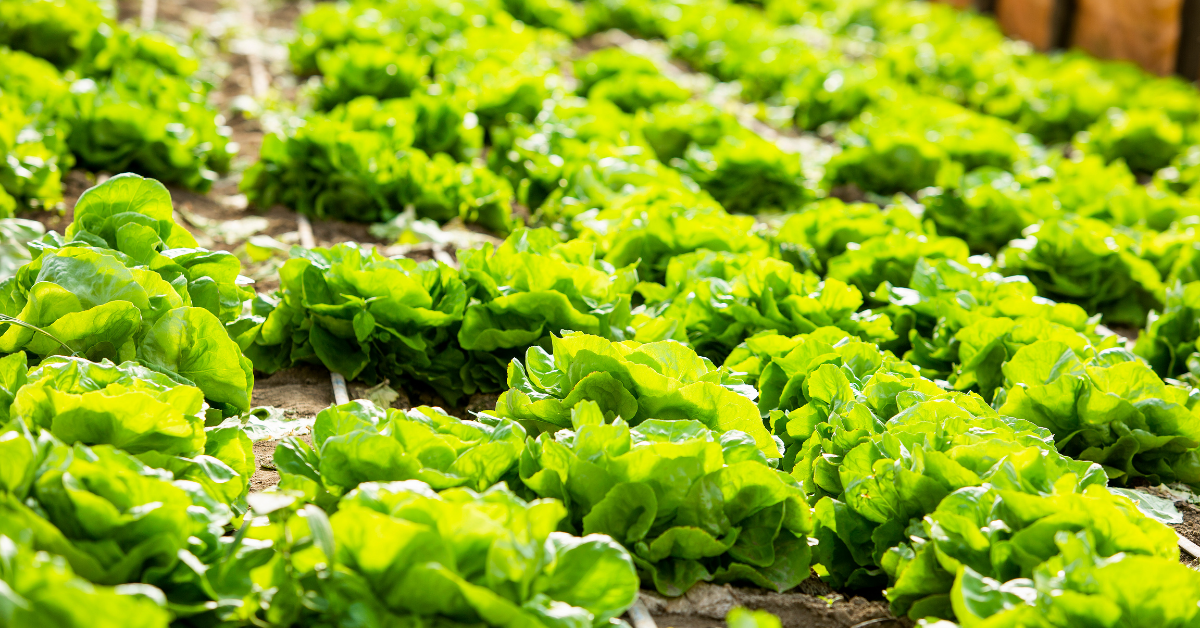
6. Leafy Greens (Kale, Spinach, Swiss Chard)
Leafy greens are an excellent foundation for creating a tasty, well-rounded diet. They are quick-growing and nutrient-dense, providing a constant source of vitamins.
Why Grow Them:
- Continuous supply by cutting what you need and letting them grow back
- High in iron, calcium, and antioxidants
- Cold-tolerant varieties extend the growing season
Growing Tips:
- Plant in fertile, well-drained soil
- Water regularly to keep leaves tender
- Harvest outer leaves first to encourage regrowth
7. Beans and Peas
Legumes serve many key roles in gardening. They are known as soil fixers, naturally fixing nitrogen levels and serving as a free fertilizer if cut down and left in your garden to decay at the end of the season.
Why Grow Them:
- Excellent source of plant-based protein
- Dry beans and peas can be stored for years
- Naturally improve soil fertility for other crops
Growing Tips:
- Provide trellises for climbing varieties, taking advantage of vertical space
- Plant seeds after the last frost
- Pick regularly to encourage plants to produce more
8. Winter Squash and Pumpkins
We often associate squash and pumpkins with fall decorating, but they are also great options for your self-sufficient garden. Winter squash varieties (like butternut, acorn, and pumpkins) are ideal for long-term storage.
Why Grow Them:
- Rich in vitamins A and C
- Can be stored for months in cool, dry conditions
- Large harvests can provide multiple meals
Growing Tips:
- Plant in sunny, spacious areas
- Prevent rot by avoiding waterlogged soil
- Harvest when rinds are hard and deep-coloured
9. Herbs (Basil, Rosemary, Thyme, Sage)
Fresh herbs may not offer much in terms of calories, but they work to enhance flavour and boost nutrition in every dish. They can even be grown indoors to offer fresh harvests throughout the winter months.
Why Grow Them:
- Adds flavour without extra calories or salt
- Certain herbs naturally repel pests
- Easy to grow in small spaces or containers
Growing Tips:
- Plant in well-drained soil with ample sun
- Harvest leaves regularly to encourage growth
- Dry or freeze for year-round use
10. Perennial Vegetables (Asparagus, Rhubarb)
Perennials are an excellent option for expanding your self-sufficient garden with less effort, as they continue to produce year after year without replanting.
Why Grow Them:
- Minimal yearly maintenance and investment
- Provide a reliable harvest over time
- Established roots are deep in the soil, making them drought-resistant
Growing Tips:
- Dedicate permanent garden beds for perennials
- Allow plants to grow and establish root systems for 2-3 years before heavy harvesting
- Cover with mulch in the winter to protect the roots from freezing
Tips for Building a Truly Self-Sufficient Garden
Building a truly self-sufficient garden involves more than just growing the right vegetables (although that is a great start). It’s about creating a balanced, sustainable system that will support itself over time.
Start by rotating your crops each season and mixing annuals with perennials to maintain healthier soil and prevent depletion of key nutrients.
Once your garden begins to produce, make the most of your harvest by preserving fresh produce, allowing you to enjoy your homegrown food throughout the year.
Choosing hardy, disease-resistant varieties that are suited to your local climate will help minimize losses and reduce the need for additional work to support their growth.
Try companion planting to naturally boost yields and keep any unwanted pests in check without relying on chemical pesticides.
Finally, compost your kitchen scraps and garden waste. By returning this organic matter to the soil, you’re giving it a nutrient boost to help future crops thrive.
By following these best practices, you can create a garden that will sustain itself season after season.
Bringing It All Together
A self-sufficient garden isn’t about growing every vegetable possible; it’s about choosing the right mix of crops that will support your family, thrive in your environment, and store well for long-term use.
By focusing on staples like potatoes, carrots, cabbage, onions, beans, and perennial vegetables, you can create a resilient garden that will feed you and your family year-round.
Take the time to plan your space, understand your local climate (and the challenges it may present), and select varieties that will offer high yields.
Additionally, take the time to learn how to use various methods to preserve your crops, such as canning, drying, or freezing.
With a mix of practical planning and hands-on care, your garden can become a rewarding, life-sustaining part of your self-sustaining lifestyle.
